The manufacturing sector is experiencing an unprecedented digital transformation that’s reshaping how companies connect with their customers and grow their businesses. Traditional marketing methods that once dominated the industrial landscape are no longer sufficient in today’s competitive marketplace.
The Manufacturing Industry’s Digital Transformation
Manufacturing digital marketing has emerged as a critical component for companies seeking sustainable growth in the modern economy. The shift from traditional trade shows and print advertisements to comprehensive digital strategies represents more than just technological adoption—it’s a fundamental change in how manufacturers engage with their target audiences. Companies that embrace this transformation find themselves better positioned to compete in an increasingly connected world.
Why Traditional Marketing Approaches Fall Short
B2B manufacturing marketing faces unique challenges that traditional approaches cannot address effectively. Industrial marketing strategies must now accommodate buyers who conduct extensive online research before ever speaking with a sales representative. The days of relying solely on industry publications and face-to-face meetings are behind us, as decision-makers increasingly expect digital touchpoints throughout their evaluation process.
Overview of Digital Opportunities for Manufacturers
Digital marketing manufacturing companies can leverage offers unprecedented opportunities for growth and customer engagement. From sophisticated lead generation systems to automated nurturing campaigns, manufacturers now have access to tools that can dramatically improve their marketing efficiency and effectiveness. Understanding these opportunities is the first step toward building a successful digital presence.
Understanding the Manufacturing Buyer’s Journey
Modern B2B purchasing decisions involve complex processes that require careful consideration and strategic digital marketing approaches. Manufacturing companies must understand how their customers make decisions to create effective marketing campaigns.
B2B Decision-Making Process Complexity
The b2b manufacturing buyer journey typically involves multiple stakeholders, extensive research phases, and lengthy evaluation periods. Unlike consumer purchases, industrial buyers must consider technical specifications, long-term partnerships, and organizational impact when making decisions. This complexity requires manufacturing marketing strategies that address various concerns and information needs throughout the process.
Multiple Stakeholders and Long Sales Cycles
B2B manufacturing lead generation efforts must account for the reality that purchasing decisions often involve engineering teams, procurement departments, and executive leadership. Each stakeholder brings different priorities and concerns to the evaluation process, necessitating tailored messaging and content approaches that resonate with diverse audiences within target organizations.
Research-Heavy Purchasing Behaviour
Today’s industrial buyers conduct extensive online research before engaging with potential suppliers. Manufacturing content marketing plays a crucial role in providing the technical information, case studies, and industry insights that informed buyers seek during their evaluation process. Companies that fail to deliver comprehensive digital resources often miss opportunities before sales teams even become aware of prospects.
The Role of Digital Touchpoints
Industrial marketing strategies must create meaningful touchpoints across multiple digital channels to effectively engage with customers. From initial awareness through final purchase decisions, buyers interact with websites, social media platforms, email campaigns, and digital advertisements. Each interaction shapes perceptions and influences purchasing decisions, making a consistent digital presence essential for success.
Website Optimization and User Experience
A company’s website serves as the foundation for all digital marketing that manufacturing companies undertake. Creating an effective online presence requires careful attention to user experience, technical functionality, and conversion optimization.
Creating an Industry-Focused Website That Converts
Manufacturing website optimization goes beyond basic design principles to address the specific needs of industrial buyers. Successful manufacturing websites provide easy access to technical specifications, product documentation, and company credibility indicators. The user experience must accommodate both technical evaluators seeking detailed information and executives looking for high-level business benefits.
Technical Specifications and Product Catalogue Integration
Industrial buyers expect immediate access to detailed product information, technical drawings, and compatibility data. Manufacturing website optimization must ensure that complex product catalogues remain searchable and navigable while providing the depth of information that technical decision-makers require during their evaluation process.
Mobile Optimization for Field Professionals
Manufacturing digital marketing strategies must account for the reality that many industrial professionals access information while on job sites or in field locations. Mobile-optimized websites ensure that product information, contact details, and technical resources remain accessible regardless of device or location, supporting the complete buyer journey.
Site Speed and Performance Considerations
Technical audiences have little patience for slow-loading websites, particularly when they need quick access to specifications or documentation. Manufacturing website optimization must prioritize performance to ensure that potential customers can efficiently access the information they need to make informed purchasing decisions.
Search Engine Optimization (SEO) for Manufacturers
Manufacturing SEO marketing requires specialized approaches that account for the unique search behaviours and terminology used in industrial markets. Effective optimization strategies enable companies to connect with prospects who are actively seeking their products or services.

Keyword Research for Industrial and Technical Terms
Manufacturing efforts must identify the specific terminology that target audiences use when searching for industrial products and services. B2b manufacturing seo strategies often focus on highly technical keywords that may have lower search volumes but higher conversion potential due to their specificity and buyer intent.
Local SEO for Regional Manufacturing Businesses
Many manufacturing companies serve regional markets, where local search optimization can provide a significant competitive advantage. Local manufacturing seo marketing helps companies appear in geographic-specific searches and connects them with nearby prospects who prefer working with regional suppliers or service providers.
Technical SEO Considerations
Manufacturing websites often contain thousands of product pages, technical documents, and specification sheets that require careful optimization. Technical seo considerations include site architecture, page loading speeds, and structured data implementation that helps search engines understand and index complex product information effectively.
Building Authority in Niche Manufacturing Sectors
Industrial digital marketing success often depends on establishing expertise and authority within specific manufacturing niches. Content creation, industry participation, and thought leadership activities contribute to search engine authority while building trust with potential customers who value expertise and experience.
Content Marketing Strategies
Manufacturing content marketing serves as a powerful tool for educating prospects, demonstrating expertise, and building trust throughout extended sales cycles. Effective content strategies address the information needs of various stakeholders involved in industrial purchasing decisions.
Educational Content That Addresses Industry Pain Points
Industrial content marketing succeeds when it provides genuine value to target audiences facing specific challenges or opportunities. Manufacturing companies that create helpful, educational content establish themselves as trusted advisors while attracting prospects who appreciate practical insights and industry expertise.
Technical Whitepapers and Case Studies
B2B audiences often require detailed technical information and proof of concept before making purchasing decisions. Industrial marketing case studies demonstrate real-world applications and results, while technical whitepapers provide the depth of information that engineering and technical teams need during their evaluation process.
Video Content for Product Demonstrations
Manufacturing video marketing offers unique opportunities to showcase complex products and processes in action. Video content helps prospects understand product capabilities, see manufacturing facilities, and connect with company personnel in ways that traditional text-based content cannot achieve.
Industry Trend Analysis and Thought leadership
Manufacturing industry marketing trends create opportunities for companies to demonstrate expertise while providing valuable insights to their target audiences. Thought leadership content positions companies as industry experts while attracting prospects who value forward-thinking suppliers and partners.
Pay-Per-Click (PPC) Advertising
Manufacturing ppc advertising provides immediate visibility for companies seeking to reach specific audiences with targeted messages. Effective PPC campaigns complement organic marketing efforts, delivering measurable results and providing quick entry into the market.
Google Ads Strategies for Manufacturing Keywords
B2b manufacturing advertising through Google Ads requires careful keyword selection and audience targeting to achieve cost-effective results. Industrial keywords often have lower search volumes but higher conversion rates, making precise targeting and bid management essential for campaign success.
LinkedIn Advertising for B2B Targeting
LinkedIn marketing offers unique targeting capabilities that allow companies to reach specific job titles, industries, and company sizes. LinkedIn’s professional environment provides ideal conditions for B2B manufacturing advertising that aims to connect with decision-makers and influencers within target organizations.
Budget Allocation and ROI Measurement
Manufacturing marketing budget planning requires careful consideration of channel effectiveness and return on investment. Digital marketing strategies for manufacturing must strike a balance between immediate lead generation needs and long-term brand-building activities, while maintaining cost-effective customer acquisition metrics.
Social Media Marketing for B2B Manufacturing
Manufacturing social media marketing requires a strategic approach that recognizes the professional nature of B2B relationships while leveraging social platforms’ networking and content distribution capabilities.

LinkedIn as the Primary Professional Platform
Manufacturing LinkedIn marketing provides unparalleled access to professional networks and industry communities. The platform’s business focus makes it ideal for sharing industry insights, company updates, and thought leadership content that resonates with B2B audiences seeking professional connections and industry information.
YouTube for Product Demonstrations
Manufacturing video marketing on YouTube enables companies to showcase their capabilities, facilities, and expertise to a global audience. Video content helps prospects understand complex products and processes, while building trust through transparency and demonstrating the company’s capabilities and culture.
Employee Advocacy and Thought leadership
Industrial brand marketing often benefits from employee participation in social media activities. Team members who share industry insights and company content expand reach while adding authenticity to marketing messages that resonate with professional audiences seeking genuine expertise and experience.
Email Marketing and Marketing Automation
Email marketing manufacturing provides direct communication channels with prospects and customers throughout extended sales cycles. Automation technologies enable sophisticated nurturing campaigns that offer value while moving prospects through the buying process.
Nurturing Long B2B Sales Cycles
Manufacturing marketing automation addresses the reality that industrial purchasing decisions often take months or years to complete. Automated nurturing campaigns provide consistent value while maintaining top-of-mind awareness throughout extended evaluation periods that characterize B2B purchasing processes.
Segmentation Strategies for Different Buyer Personas
Creating customer personas for the manufacturing industry requires distinct communication approaches tailored to their specific roles, responsibilities, and information needs. Email segmentation ensures that engineers receive technical content while executives receive business-focused information that aligns with their decision-making priorities and concerns.
Integration with CRM Systems
B2b manufacturing CRM integration enables seamless lead management and customer relationship development. Connected systems provide sales teams with comprehensive prospect information while ensuring that marketing efforts align with sales activities and customer relationship management objectives.
Digital Tools and Technologies
Modern manufacturing companies require sophisticated technology stacks that support comprehensive digital marketing efforts while integrating with existing business systems and processes.
Customer Relationship Management Systems
B2B manufacturing CRM systems provide centralized prospect and customer information management that supports both marketing and sales activities. Effective CRM implementation enables better lead tracking, customer communication, and relationship development throughout extended industrial sales cycles.
Marketing Automation Platforms
Industrial marketing automation enables sophisticated campaign management and lead nurturing that would be impossible through manual processes. Automation platforms support complex buyer journeys while providing the personalization and timing that B2B audiences expect from professional service providers.
Analytics and Reporting Tools
Manufacturing marketing analytics provide essential insights into campaign performance, customer behaviour, and return on investment. Data-driven decision-making enables the continuous optimization and improvement of digital marketing strategies, while demonstrating value to organizational leadership and stakeholders.
Measuring Success and ROI
Manufacturing companies must establish clear metrics and measurement systems that demonstrate the value and effectiveness of their digital marketing investments.

Key Performance Indicators
Manufacturing marketing analytics must focus on metrics that align with business objectives and sales processes. Industrial marketing roi measurement requires understanding the relationship between marketing activities and business outcomes while accounting for extended sales cycles and complex purchasing processes.
Attribution Modelling for Long Sales Cycles
B2b manufacturing attribution requires sophisticated tracking systems that can connect marketing touchpoints with eventual sales outcomes across extended timeframes. Understanding which marketing activities contribute to sales success enables more effective resource allocation and strategy optimization.
Long-term Customer Lifetime Value Analysis
Manufacturing companies often develop long-term relationships with customers that extend far beyond initial purchases. Customer lifetime value analysis helps justify marketing investments while identifying the most valuable customer segments and acquisition channels for sustained business growth.
Industry-Specific Challenges and Solutions
Manufacturing companies face unique challenges that necessitate specialized digital marketing approaches and solutions tailored to the industrial market and business models.
Compliance and Regulatory Considerations
Industrial marketing compliance requirements vary by industry and geographic market, requiring careful attention to messaging, claims, and documentation. Manufacturing companies must ensure that their digital marketing activities meet regulatory standards while effectively communicating their value propositions.
International Market Considerations
Global manufacturing companies must adapt their digital marketing strategies to accommodate different languages, cultures, and business practices. International expansion necessitates localized content, region-specific platforms, and cultural sensitivity in messaging and communication strategies.
Competing with Larger Corporations
Manufacturing startup marketing faces unique challenges when competing against established industry leaders with larger marketing budgets and brand recognition. Digital strategies can help smaller manufacturers compete effectively by focusing on niche markets, specialized expertise, and superior customer service.
Future Trends and Opportunities
The manufacturing industry continues evolving rapidly, creating new opportunities and challenges for companies seeking to maintain competitive advantages through digital marketing excellence.
Account-Based Marketing Evolution
Industrial account-based marketing presents a significant opportunity for manufacturers looking to establish more meaningful relationships with high-value prospects and customers. ABM strategies enable personalized marketing approaches that resonate with specific target accounts and decision-makers.
Sustainability and Green Manufacturing Focus
Environmental concerns and sustainability requirements create new marketing opportunities for manufacturers who can demonstrate eco-friendly practices and products. Green manufacturing messaging appeals to environmentally conscious buyers while differentiating companies from competitors.
Emerging Technologies and Platforms
Industrial marketing trends 2025 point toward increased adoption of artificial intelligence, virtual reality, and other emerging technologies that enhance customer experiences and marketing effectiveness. Early adopters of these technologies may gain significant competitive advantages.
Implementation Roadmap
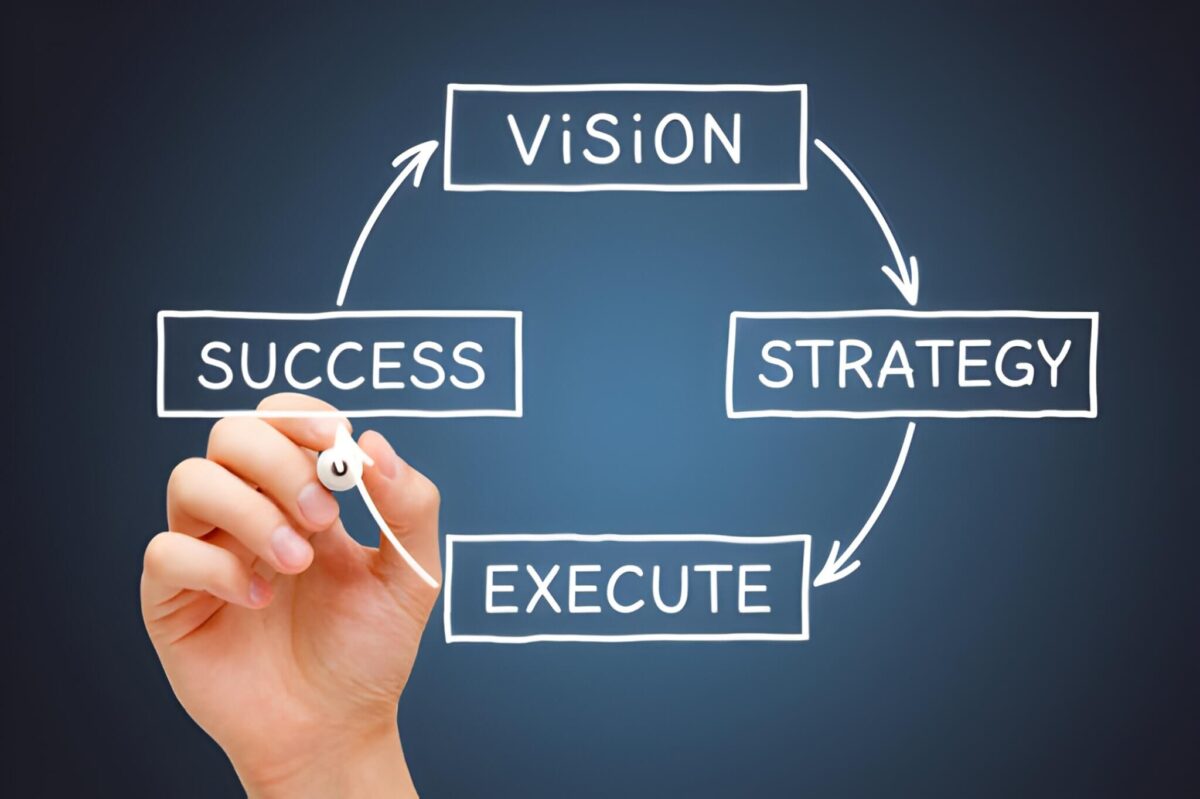
Successful digital marketing implementation requires careful planning, realistic timelines, and systematic approaches that build upon existing strengths while addressing current weaknesses and market opportunities.
Priority Framework for Starting Digital Marketing
Effectively marketing a manufacturing company requires prioritizing activities based on their potential impact, resource requirements, and organizational readiness. Companies should focus on foundational elements, such as website optimization and content creation, before investing in advanced automation and advertising technologies.
Team Structure and Skill Development
Manufacturing companies often require external expertise or internal training to develop effective digital marketing capabilities. Industrial marketing agencies can provide specialized knowledge while internal teams develop the skills necessary for long-term success.
Timeline for Implementation and Expected Results
Manufacturing conversion optimization and other digital marketing activities require time to produce measurable results. Realistic expectations and patient implementation approaches enable sustainable growth while avoiding the disappointment that often accompanies unrealistic timelines and expectations.
Conclusion
Digital marketing for manufacturers represents both an opportunity and a necessity in today’s competitive business environment. The manufacturing demand generation opportunities available through digital channels far exceed what traditional marketing approaches could ever achieve.
Success requires commitment and strategic thinking that aligns digital activities with business objectives. Manufacturers who invest in building strong digital marketing capabilities will find themselves better positioned to compete effectively while building lasting customer relationships.