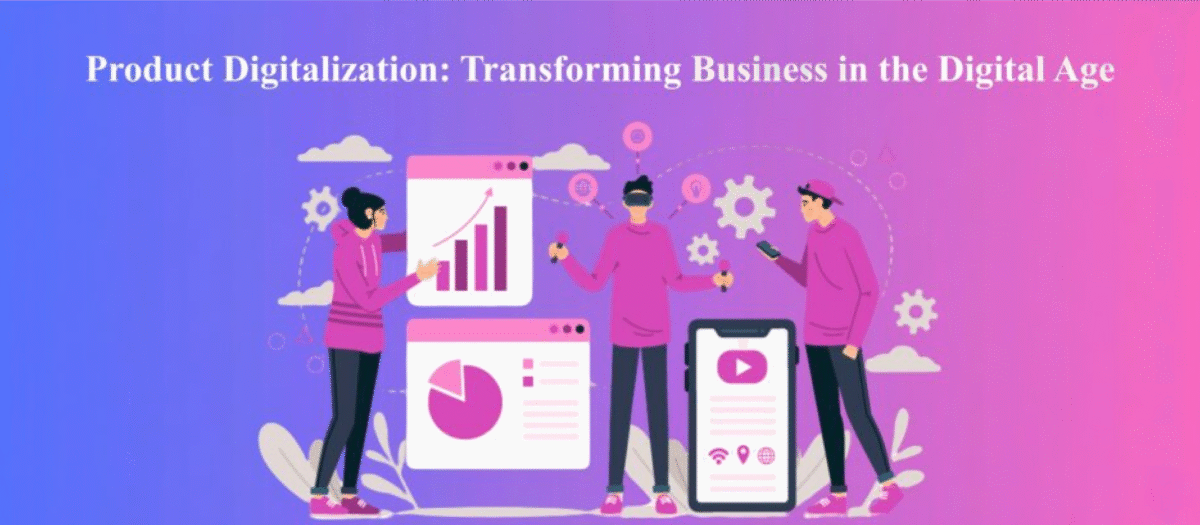
The transformation from physical to digital products is reshaping entire industries at an unprecedented pace. Organizations worldwide are witnessing how product digitalization fundamentally changes the way they create, deliver, and maintain value for customers.
Product digitalization represents the comprehensive process of converting traditional physical products, services, and processes into digital formats or enhancing them with digital capabilities. This transformation extends beyond simple product digitization—it encompasses reimagining product functionality, delivery mechanisms, and customer interactions through digital product transformation strategies.
The scope of this shift affects every aspect of business operations, from smart product development and initial design phases through product lifecycle digitalization and ongoing customer support. Companies are leveraging connected product strategy approaches, IoT enabled products, and digital product innovation to create entirely new value propositions. Product digitalization is not just a trend but a fundamental shift that companies must embrace to remain competitive in today’s rapidly evolving marketplace.
Understanding Product Digitalization
At its core, product digitalization involves converting physical products, services, or processes into digital formats while reimagining their fundamental functionality and purpose. This transformation enables businesses to deliver enhanced value through digital channels, smart connected products, and integrated digital product ecosystems.
Key components driving this transformation include digital twin product development, which creates virtual replicas of physical products for testing and optimization. IoT integration connects devices and enables real-time data collection, while advanced product data analytics provide actionable insights. Cloud based product platforms facilitate scalable delivery and continuous updates, fundamentally changing how products evolve.
It’s crucial to distinguish product digitalization from simple digitization. While digitization merely converts analog information into digital formats, product digital transformation reimagines entire product architectures and business models. This evolution represents moving from static physical products to dynamic, intelligent systems capable of learning and adapting.
The evolution timeline shows a clear progression: from purely analog products to digitized information systems, and now to smart product transformation, where products continuously communicate, update, and improve. This journey reflects how digital manufacturing processes and digital product design methodologies have evolved in tandem with technological advancements.
Driving Forces Behind Product Digitalization
Consumer expectations have undergone a fundamental shift, with customers now demanding seamless and personalized experiences across all touchpoints. Today’s consumers expect products that adapt to their needs, provide instant updates, and integrate effortlessly with their digital lifestyles through digital product strategy implementations.
Technological advancements serve as a primary catalyst, with artificial intelligence, IoT sensors product integration, 5G connectivity, and edge computing capabilities enabling previously impossible product features. These technologies support ai powered product development and allow sophisticated product connectivity solutions that transform traditional offerings.Market competition intensifies pressure on organizations to innovate and differentiate.
Companies implementing robust product digitalization strategies gain significant competitive advantages through faster iteration cycles, enhanced customer insights through machine learning product analytics, and the ability to offer continuously improving products. Cost efficiency represents another compelling driver. Digital products eliminate many expenses associated with physical manufacturing, distribution, and inventory management. Organizations discover that product digitalization costs are often offset by substantial operational savings and new revenue opportunities.
Data-driven insights provide unprecedented visibility into customer behavior and product performance through real time product monitoring systems. This intelligence enables predictive product maintenance, personalized experiences, and informed decision-making that was impossible with traditional physical products.
Types of Product Digitalization
Pure digital products represent the most comprehensive form of transformation—encompassing software applications, digital content, streaming services, and cloud-based solutions that exist entirely in digital form. These products leverage digital product development process methodologies optimized for rapid deployment and continuous improvement.

Digital-physical hybrids combine tangible products with connected features and smart capabilities. These iot enabled products integrate sensors, connectivity, and intelligence into physical devices, creating product digital twins that enable monitoring and optimization. Examples include smart home devices, wearable technology, and connected vehicles.
Digitally-enabled services transform traditional products by adding digital capabilities that enhance functionality and user experience. Through digital product prototyping and iterative development, companies add features like remote diagnostics, usage analytics, and personalized recommendations to conventional offerings. Platform-based products create digital product ecosystems that connect multiple stakeholders—customers, partners, and third-party developers. These platforms enable network effects and foster innovation through collaborative product traceability digitalization and shared data frameworks.
Benefits of Product Digitalization
The advantages of product digitalization extend across multiple dimensions, creating value for both organizations and their customers. Understanding these product digitalization benefits helps stakeholders appreciate the transformative potential of digital strategies.
For Businesses
Organizations implementing product digitalization strategies achieve unprecedented scalability and global reach without corresponding increases in infrastructure costs. Digital distribution eliminates geographical constraints that limit physical product markets. Reduced operational costs emerge from eliminating physical production, warehousing, and distribution expenses. Companies investing in product digitalization implementation discover that digital product lifecycle management reduces overhead while improving product quality management.
Enhanced customer data collection through digital product passports and integrated analytics provides deep insights into usage patterns, preferences, and pain points. This intelligence informs product digitalization trends and guides future development priorities.
Faster iteration cycles enable continuous improvement through over-the-air updates and digital product optimization, allowing for seamless updates and enhancements. Organizations can respond to customer feedback, fix issues, and add features without lengthy production cycles or costly recalls.
New revenue models emerge through subscription services, usage-based pricing, and digital product customization options. These monetization opportunities often generate more predictable, recurring revenue streams than traditional sales models.
For Customers
Personalized experiences adapt to individual preferences and usage patterns through intelligent algorithms and data analysis. Innovative product development creates offerings that learn and improve with use, delivering increasing value over time.
Convenience and accessibility improve dramatically as digital products become instantly available, accessible anywhere, and compatible with any device. Customers access features and updates without visiting stores or waiting for physical delivery. Real-time updates and improvements mean products continuously evolve without requiring customer action. This ongoing enhancement addresses issues promptly and adds new capabilities that extend product value.
Enhanced functionality through connected product strategy implementations provides features impossible in standalone physical products. Integration with broader digital product ecosystems creates seamless experiences across multiple devices and services.
Better support and service become possible through remote diagnostics, automated troubleshooting, and predictive product maintenance that identifies issues before they impact customer experience.
Industry Examples and Case Studies
The automotive industry exemplifies product digital transformation through companies like Tesla, which delivers over-the-air software updates that add features and improve performance long after the vehicle is purchased. This connected product strategy approach transforms vehicles into continuously evolving platforms.

Healthcare has embraced product digitalization benefits through telemedicine platforms and digital health monitoring devices. These iot enabled products enable remote patient care, continuous health tracking, and data-driven treatment decisions that improve outcomes while reducing costs. The entertainment industry has completely restructured around digital product innovation, with streaming services like Netflix replacing physical media. This transformation demonstrates how to digitalize products by reimagining delivery mechanisms and customer relationships.
Manufacturing sectors leverage digital twin product development and smart manufacturing processes to optimize production, predict maintenance needs, and improve quality. Companies implementing these digital manufacturing processes achieve significant efficiency gains and reduced downtime. Finance has undergone a radical digitalization of products through digital banking, mobile payment systems, and fintech innovations. These platforms demonstrate blockchain product traceability and enhanced digital product security while providing unprecedented convenience.
Implementation Strategies
The assessment phase involves evaluating current products for their digitalization potential and identifying opportunities where digital capabilities can create the most value. Organizations must understand customer needs, technical feasibility, and product digitalization roi before committing resources.
Technology selection involves choosing appropriate digital tools, platforms, and architectures that support long-term goals. Decisions about cloud infrastructure, IoT platforms, and analytics capabilities shape product digitalization framework effectiveness and scalability potential.
Customer-centric design ensures digital solutions genuinely meet user needs rather than adding technology for its own sake. Successful digital product strategy development prioritizes user experience, accessibility, and the delivery of practical value.
Pilot programs enable testing and iteration before full-scale deployment. These controlled implementations help identify product digitalization challenges, refine approaches, and demonstrate value to stakeholders while managing risk.Change management prepares teams and processes for digital transformation. Organizations must address the skills gap through training, recruit digital talent, and foster cultures that embrace continuous learning and adaptation.
Challenges and Considerations
Technical hurdles include integration complexity, legacy system compatibility, and infrastructure requirements. Product digitalization platforms must connect disparate systems while maintaining reliability and performance standards. Security and privacy concerns intensify as products collect and transmit sensitive customer data. Organizations must ensure digital product compliance with evolving regulations while implementing robust digital product security measures that protect against breaches.
Skills gaps represent significant barriers, as product digitalization, automation, and advanced analytics require specialized expertise. Companies struggle to find talent with the necessary technical capabilities while simultaneously training existing employees. Cultural resistance emerges as organizations encounter inertia from employees who are comfortable with traditional approaches. Smart product transformation requires leadership commitment and clear communication about benefits and expectations.
Investment costs can be substantial, requiring a careful balance between upfront expenses and long-term benefits. While product digitalization costs eventually decrease through operational efficiencies, initial investments in technology, training, and process changes can strain budgets.
Customer adoption challenges arise when users resist digital alternatives or lack the necessary digital literacy. Successful product digitalization trends indicate that gradual transitions with robust support systems enhance acceptance rates.
Future Trends and Opportunities
Artificial intelligence integration will drive next-generation ai powered product development, enabling products that anticipate needs, automate complex tasks, and deliver truly personalized experiences at scale.

A sustainability focus positions digital product sustainability as a competitive advantage, with digital solutions reducing material consumption, optimizing resource usage, and enabling circular economy models through improved product traceability and digitalization. Edge computing advances will enable faster processing, reduced latency, and enhanced privacy through local data processing. This technology supports more responsive iot sensors product integration and sophisticated real-time capabilities.
Augmented reality applications will transform product visualization, training, and support. These digital product future trends enable customers to preview products in their environments and receive contextual guidance. Blockchain applications promise enhanced transparency, security, and new business models through blockchain product traceability systems. These technologies enable trusted data sharing and automated contract execution across product ecosystems.
Conclusion
Product digitalization represents a transformative opportunity that extends far beyond technology adoption—it fundamentally reimagines how organizations create and deliver value. The benefits span increased scalability, reduced costs, enhanced customer insights, and entirely new revenue models that position forward-thinking companies for long-term success.
Organizations should begin their digitalization journey by assessing current product portfolios, identifying high-potential opportunities, and developing a comprehensive product digitalization implementation roadmap. Starting with focused pilot programs allows for learning and refinement while building organizational capabilities and confidence.
The future is poised to bring fully integrated digital ecosystems, where products, services, and experiences blend seamlessly. As technologies mature and customer expectations evolve, the distinction between physical and digital offerings will continue to blur, creating hybrid experiences that leverage the best of both worlds. Ultimately, successful product digitalization efforts must focus on creating genuine customer value rather than pursuing technology for its own sake. Companies that maintain this customer-centric focus while embracing digital capabilities will thrive in an increasingly connected and intelligent product landscape.